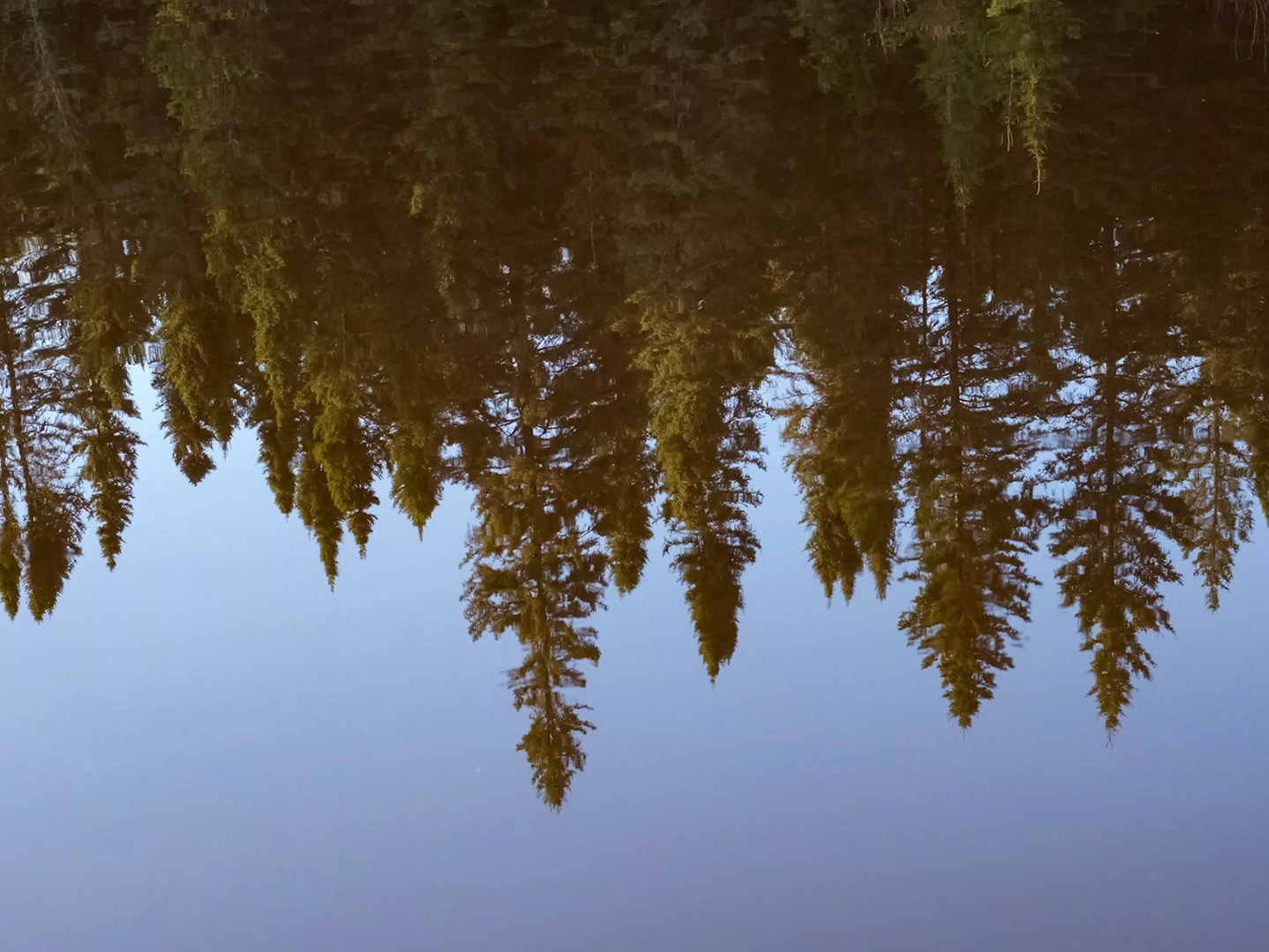
Our first glimpse of Rega. Taken seven months before our arrival on Spes 6.
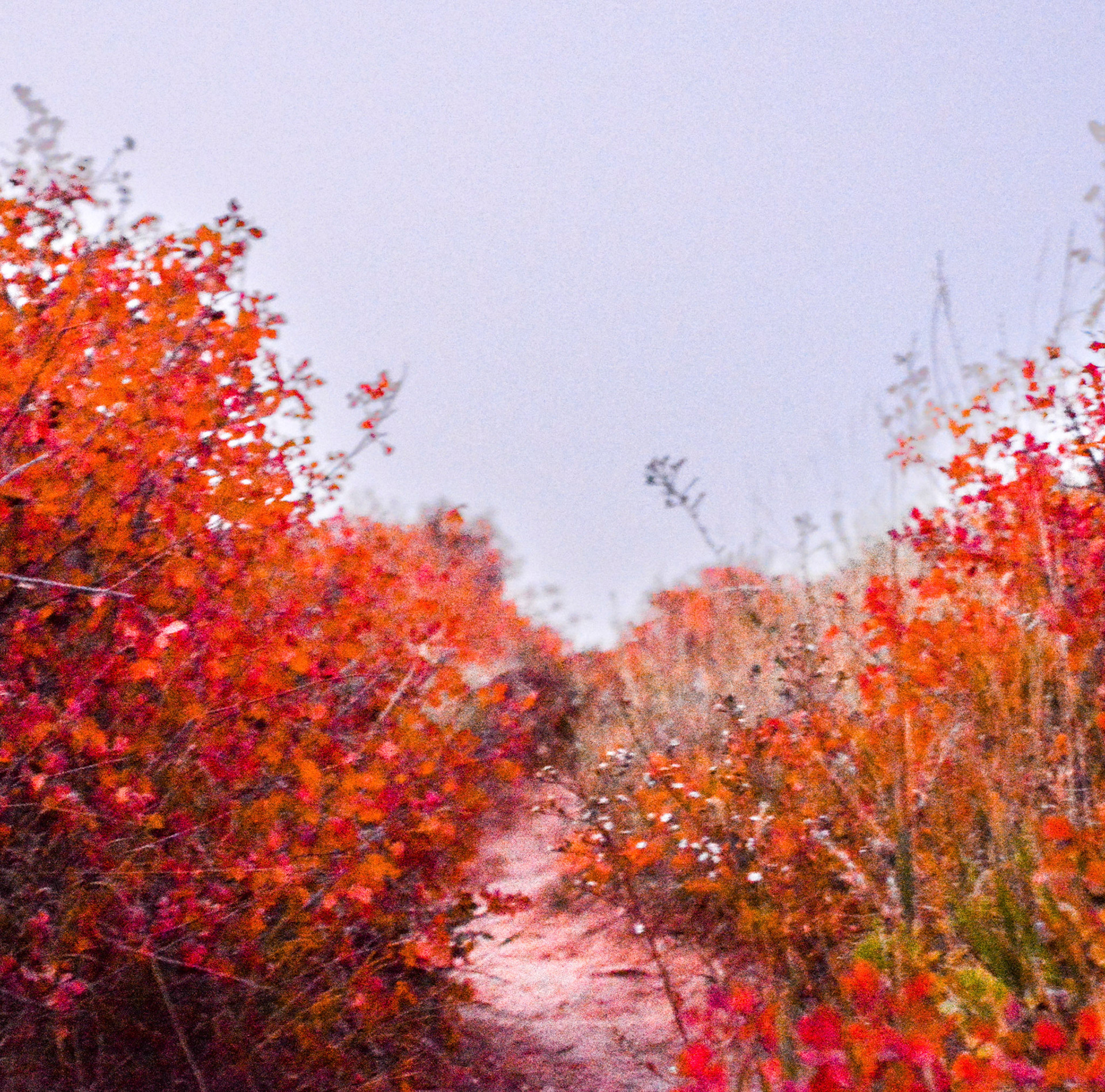
Red acidbrush. Dr. Matthew Locke suffered carbon dioxide poisoning due to acibdrush induced respirator failure upon contact. Exercise extreme caution.
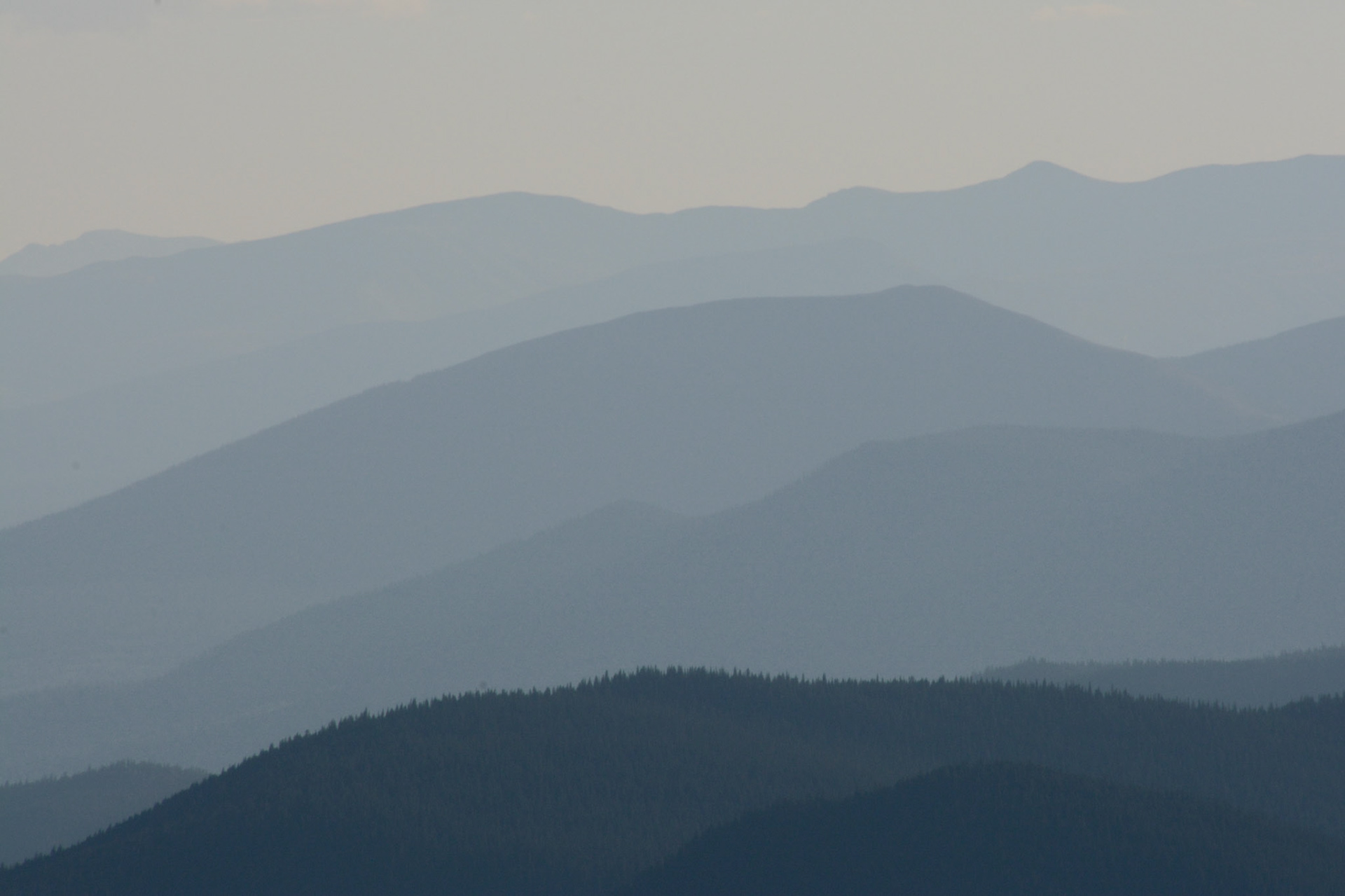
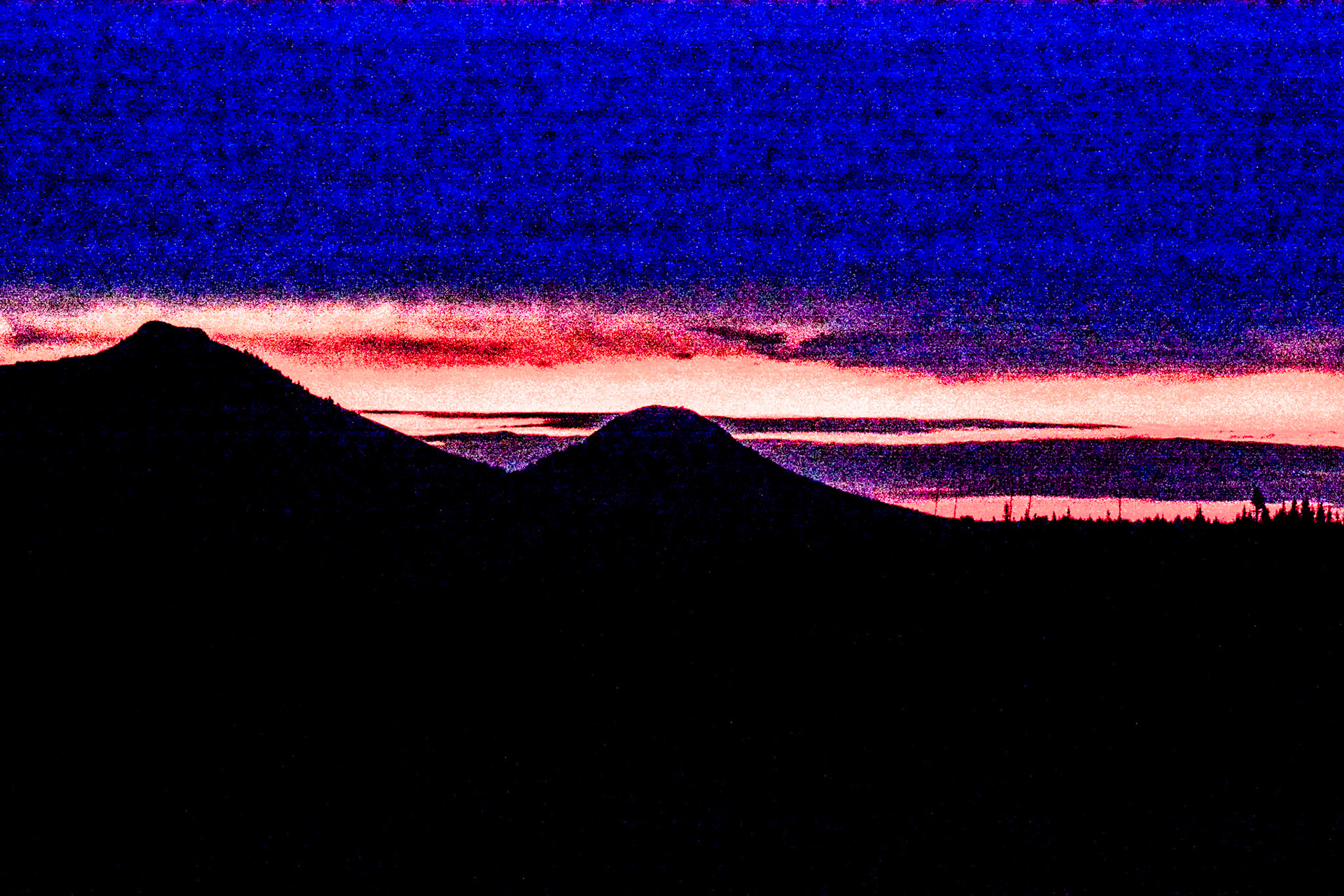
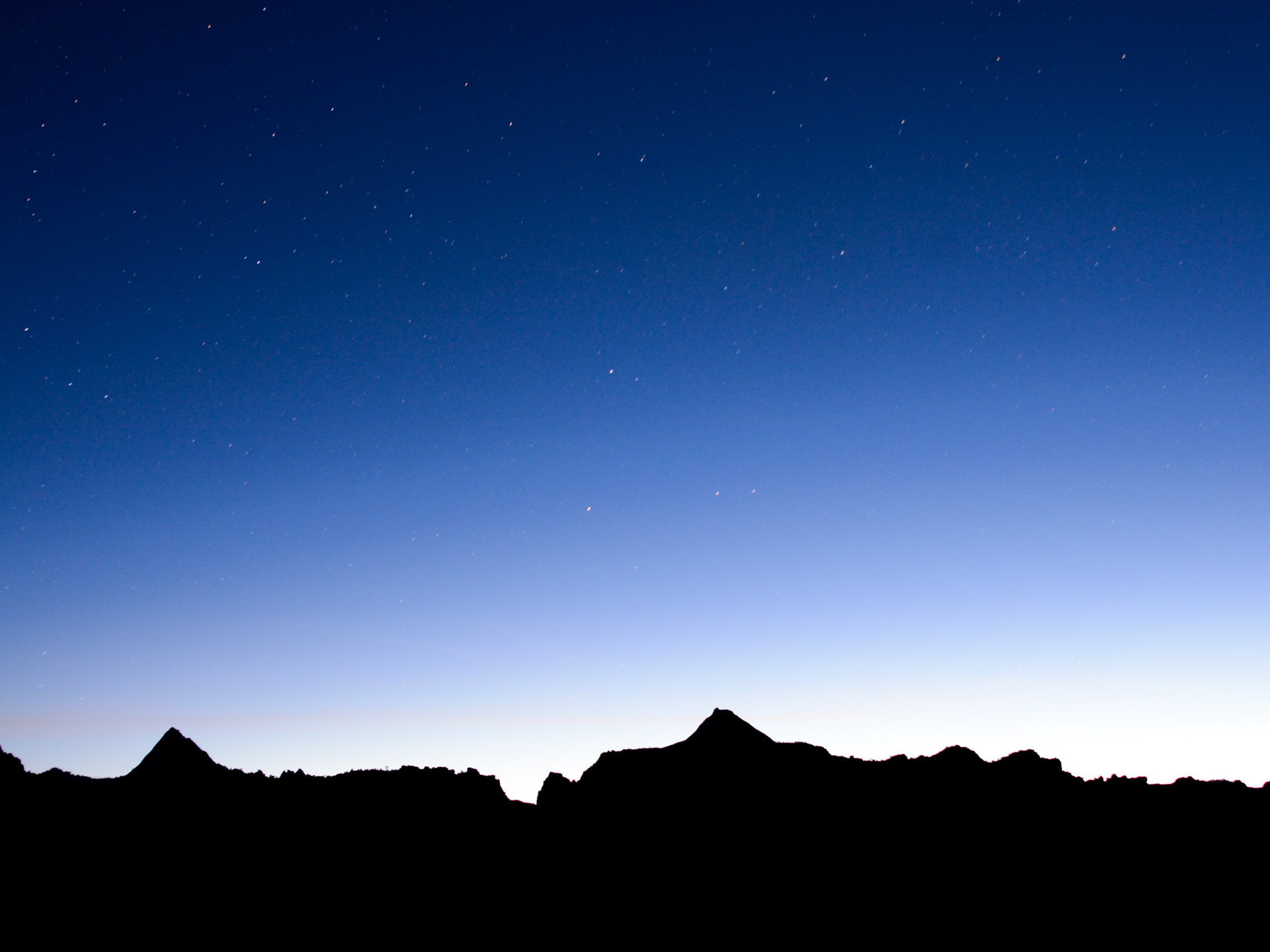
Cascading slopes of the Faultner Range.
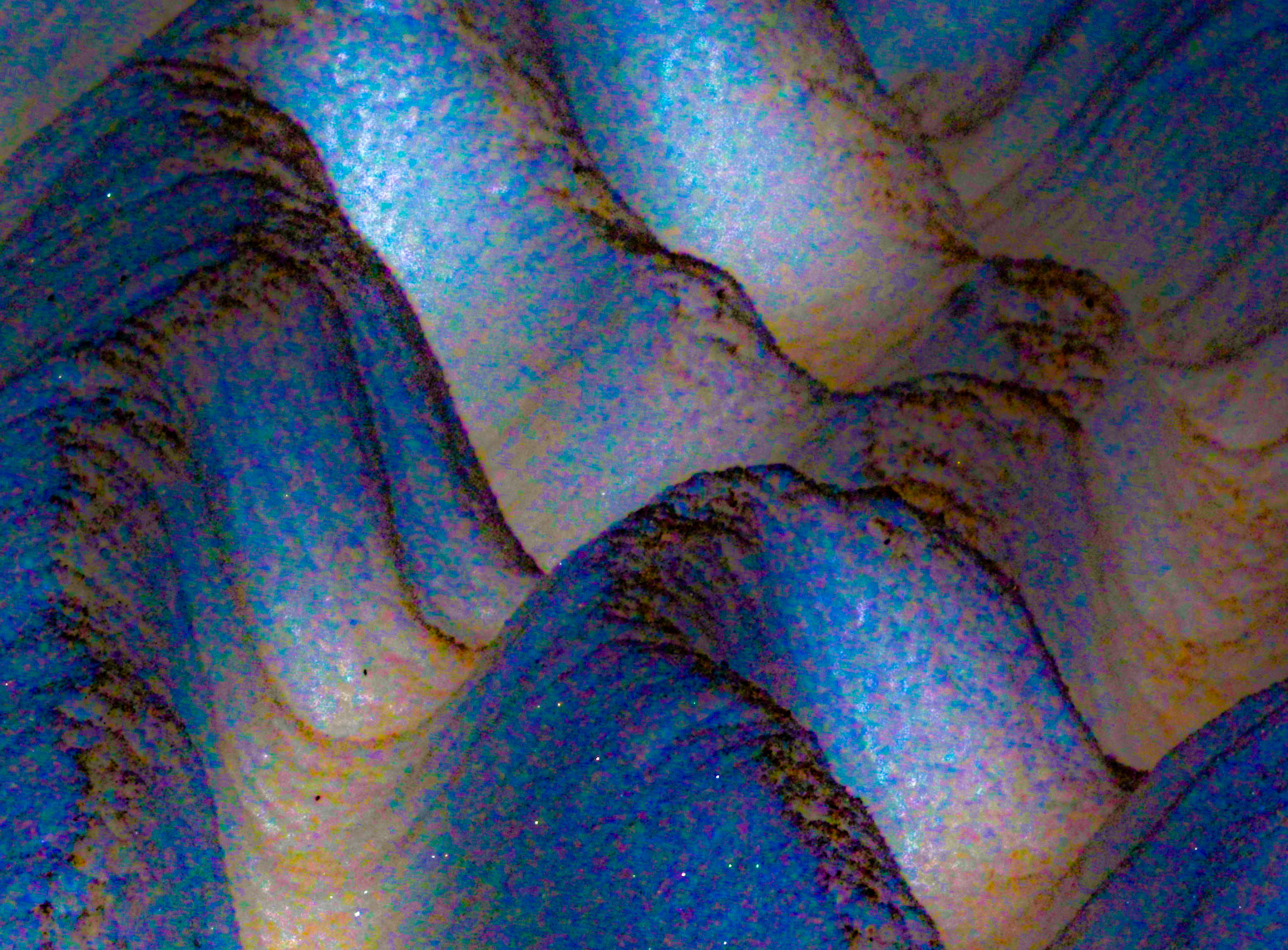
Long exposure imaging of stalagmites within the interglacial caverns of Palatium Stiriacus.
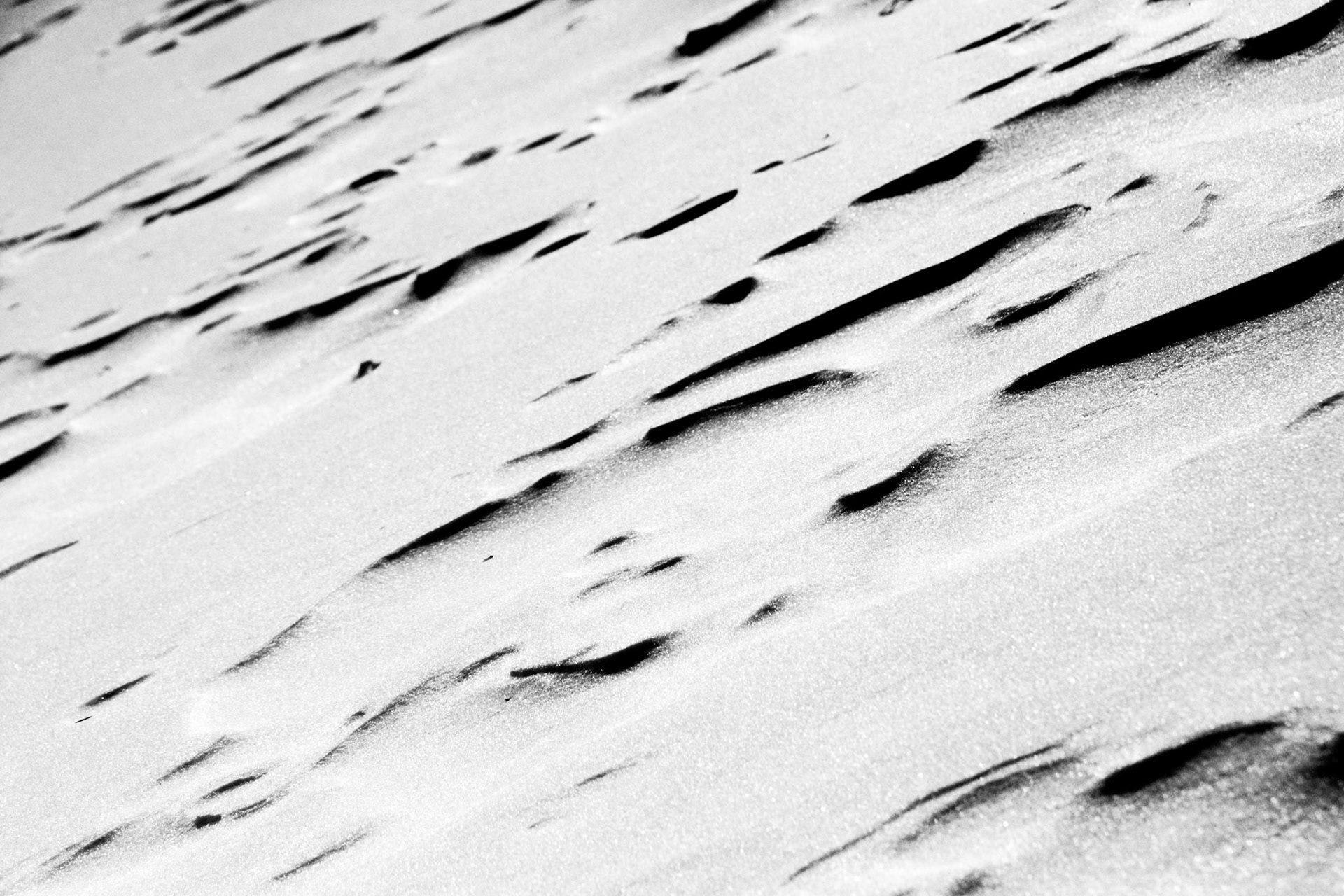
Surface of Circutor, Spes 6's nearest moon. Deemed inhabitable from spectral signatures, Orno 2 was deployed to explore Circutor prior to entry into Spes 6's atmophere.
Bacterial cultures found near the surface of the arctic springs.
Crude satellite imaging of acidbrush coverage (Orno 3).
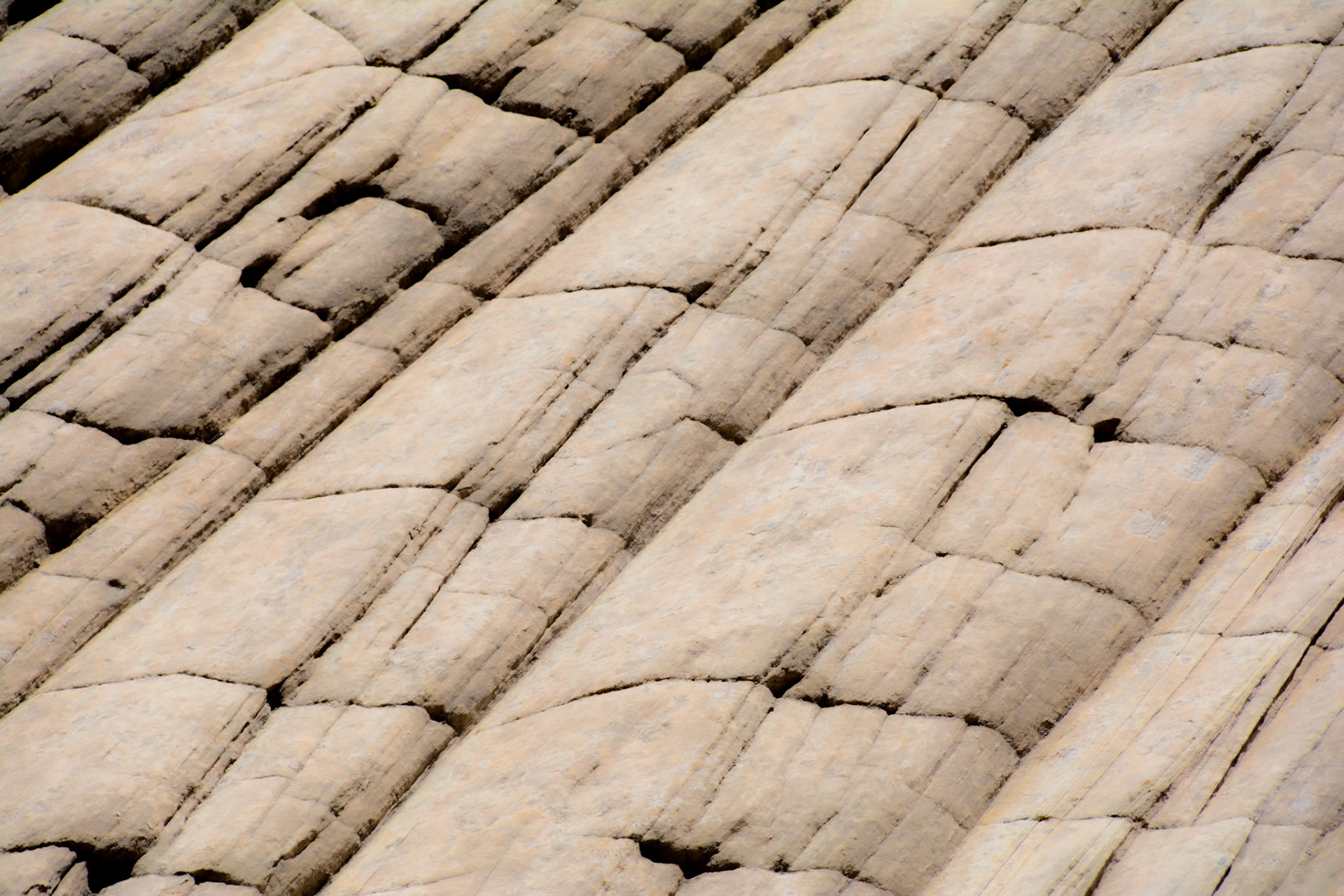
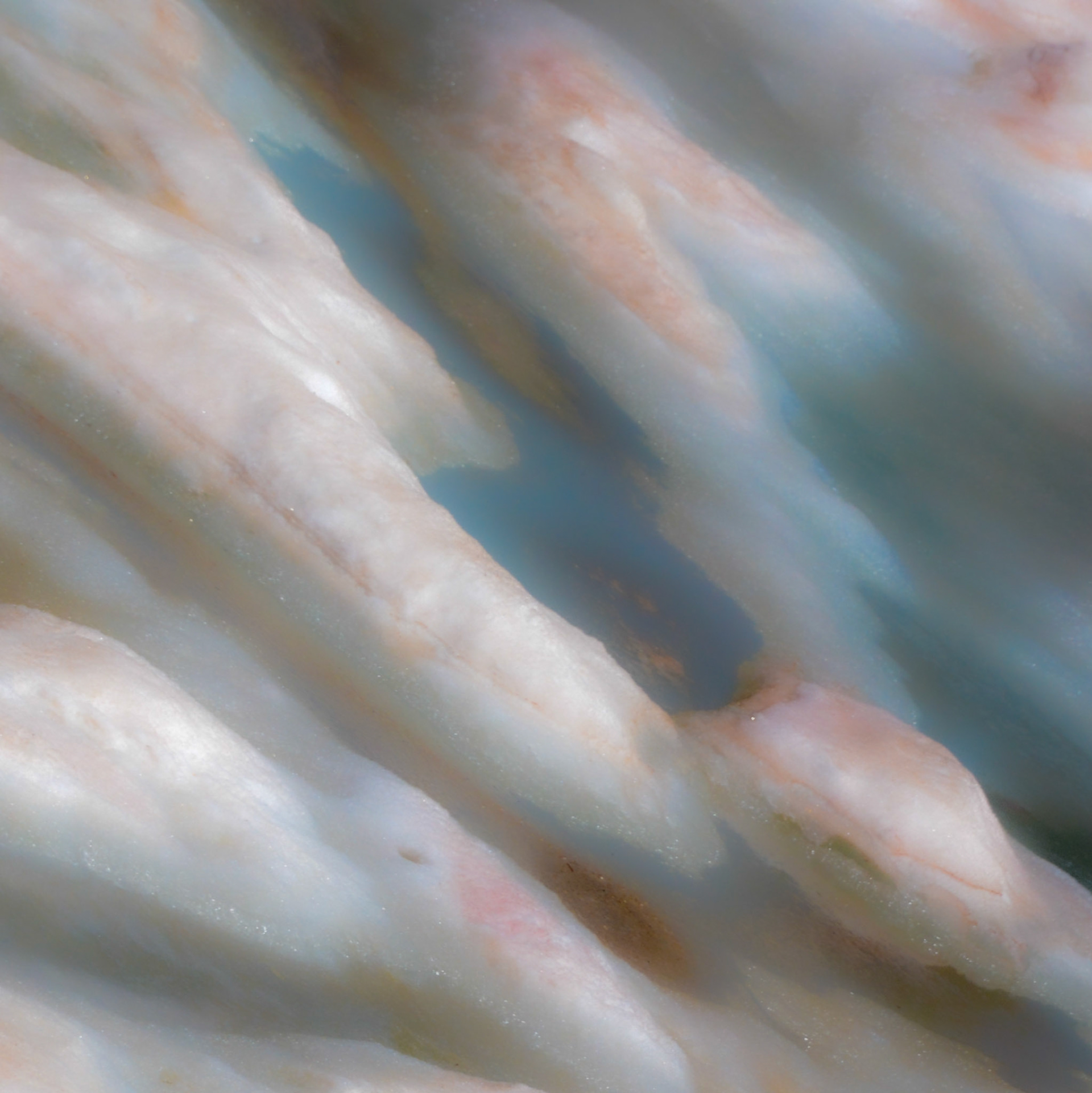
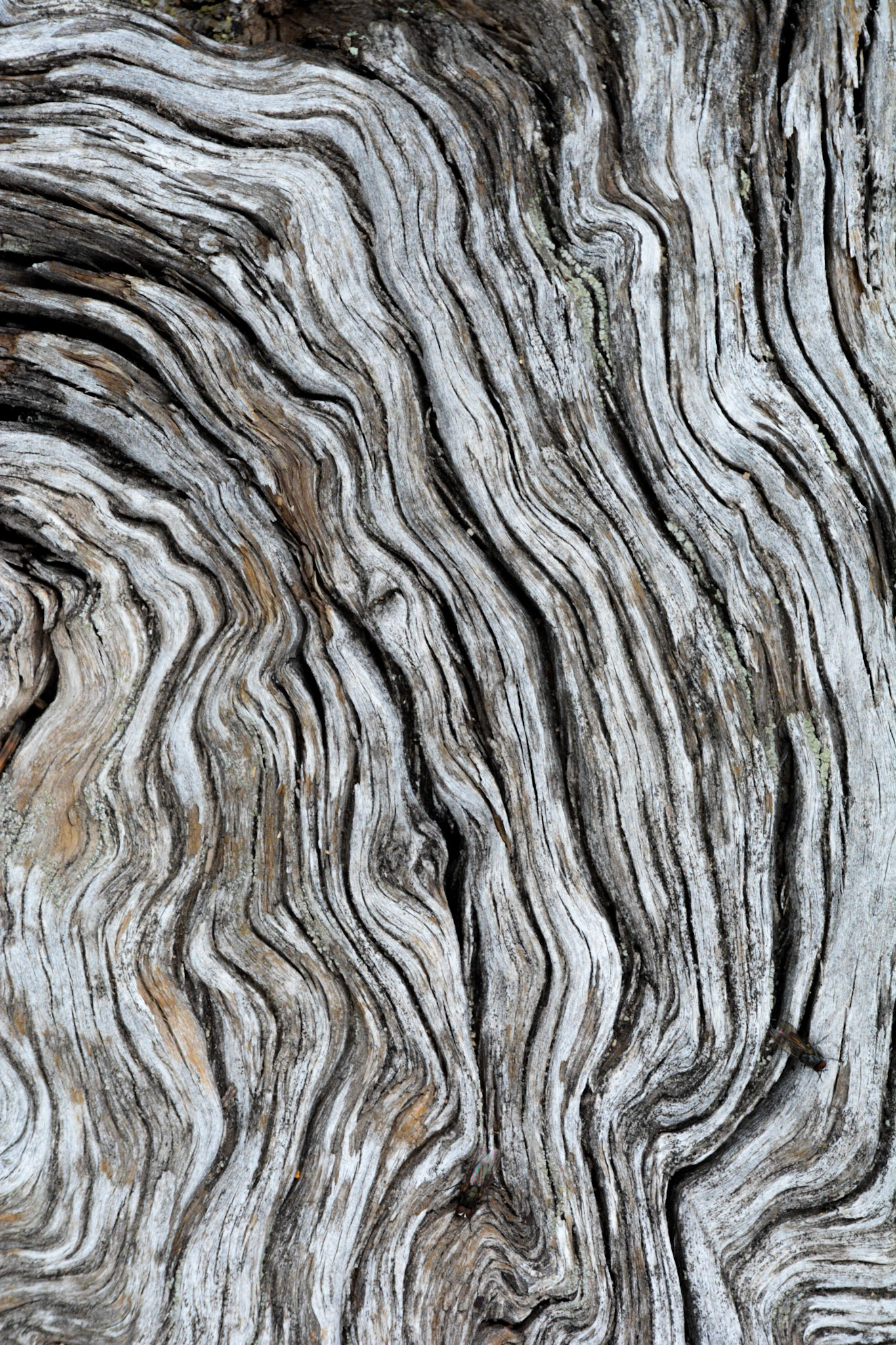
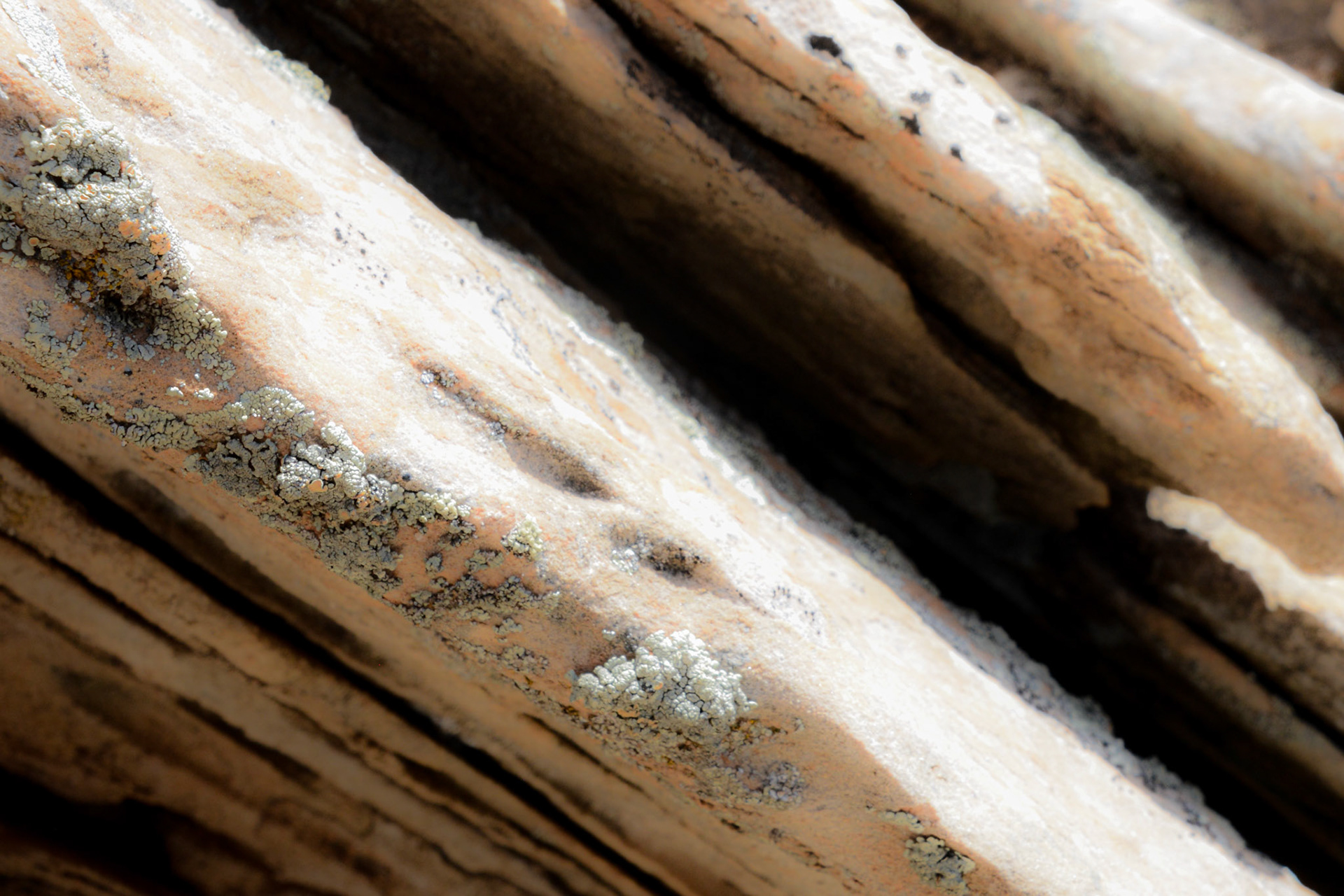
Macro-imaging of fossilized Trogglodon torso.
Northern arctic surface. Taken by Orno 4 sent to collect samples from sulfuric springs.
Faultner Range topographical assessment. Used in determination of a suitable landing site.
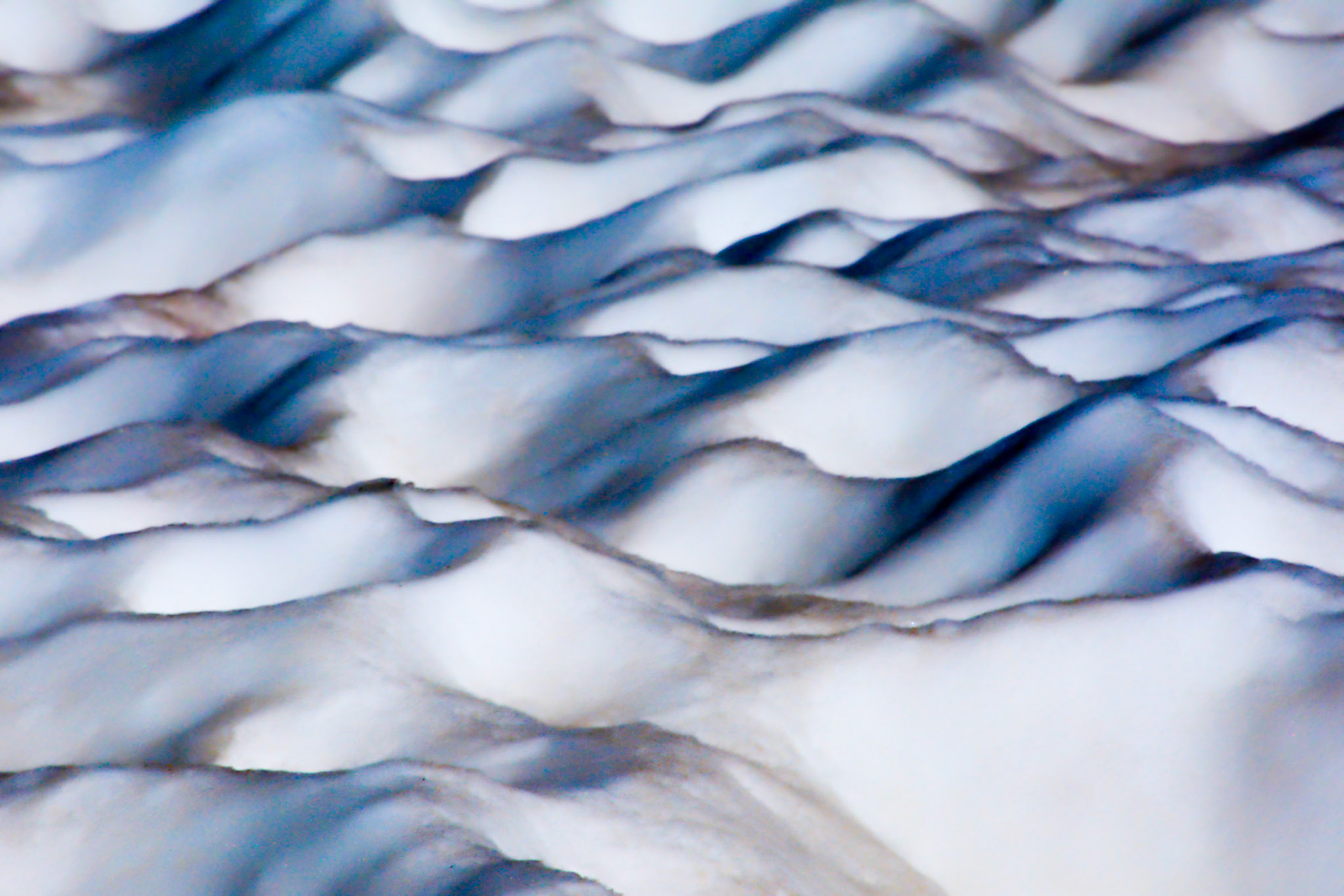
Tongue of Vagus glacier taken by Orno 4.
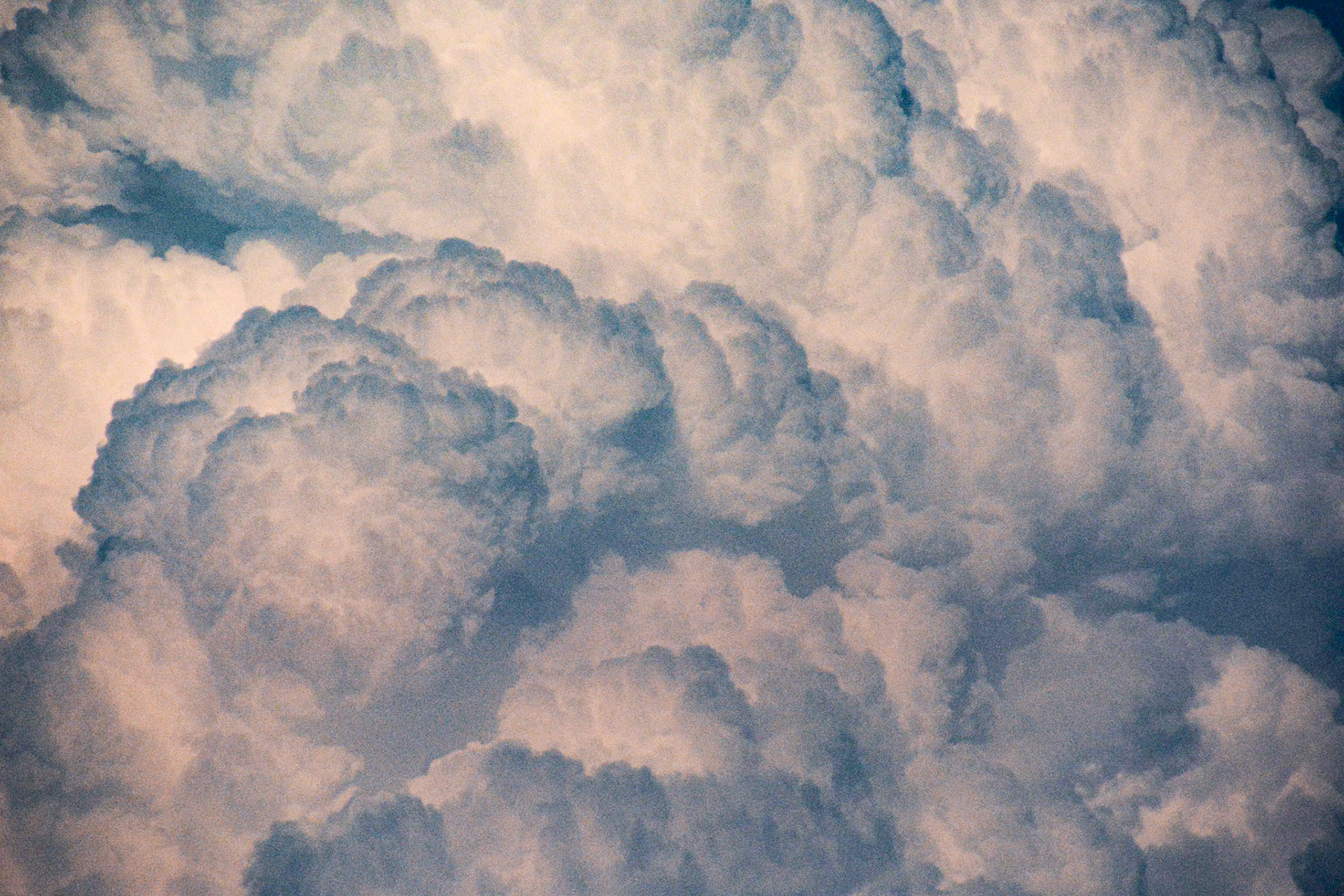
Eruption column from Mons Draconis. This is the last image transmitted by Richter Team before they were lost in the fallout.
Thermal imaging of sulfur springs
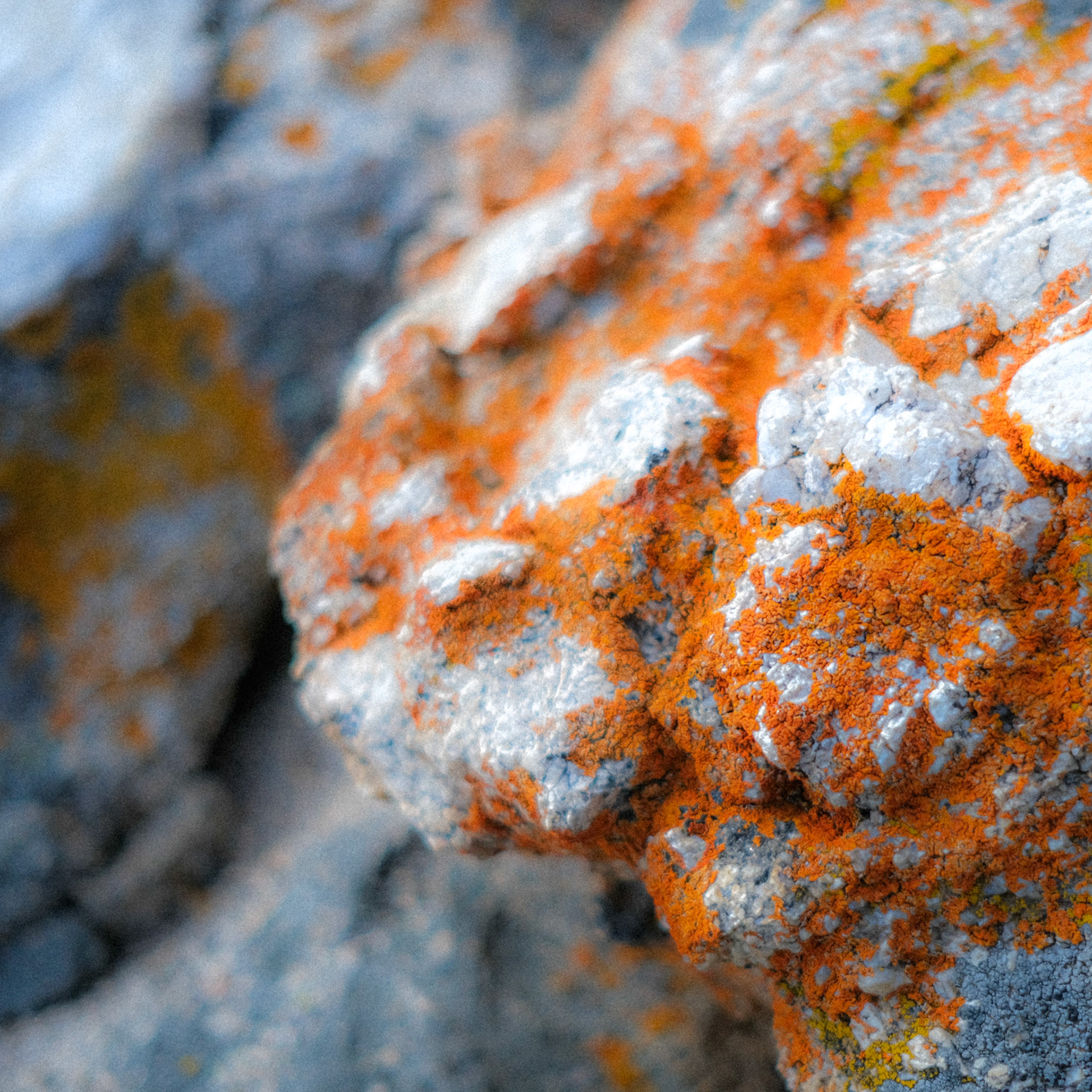
Small esterium deposit. Initial interest in Spes 6 was driven by commercial mining efforts.
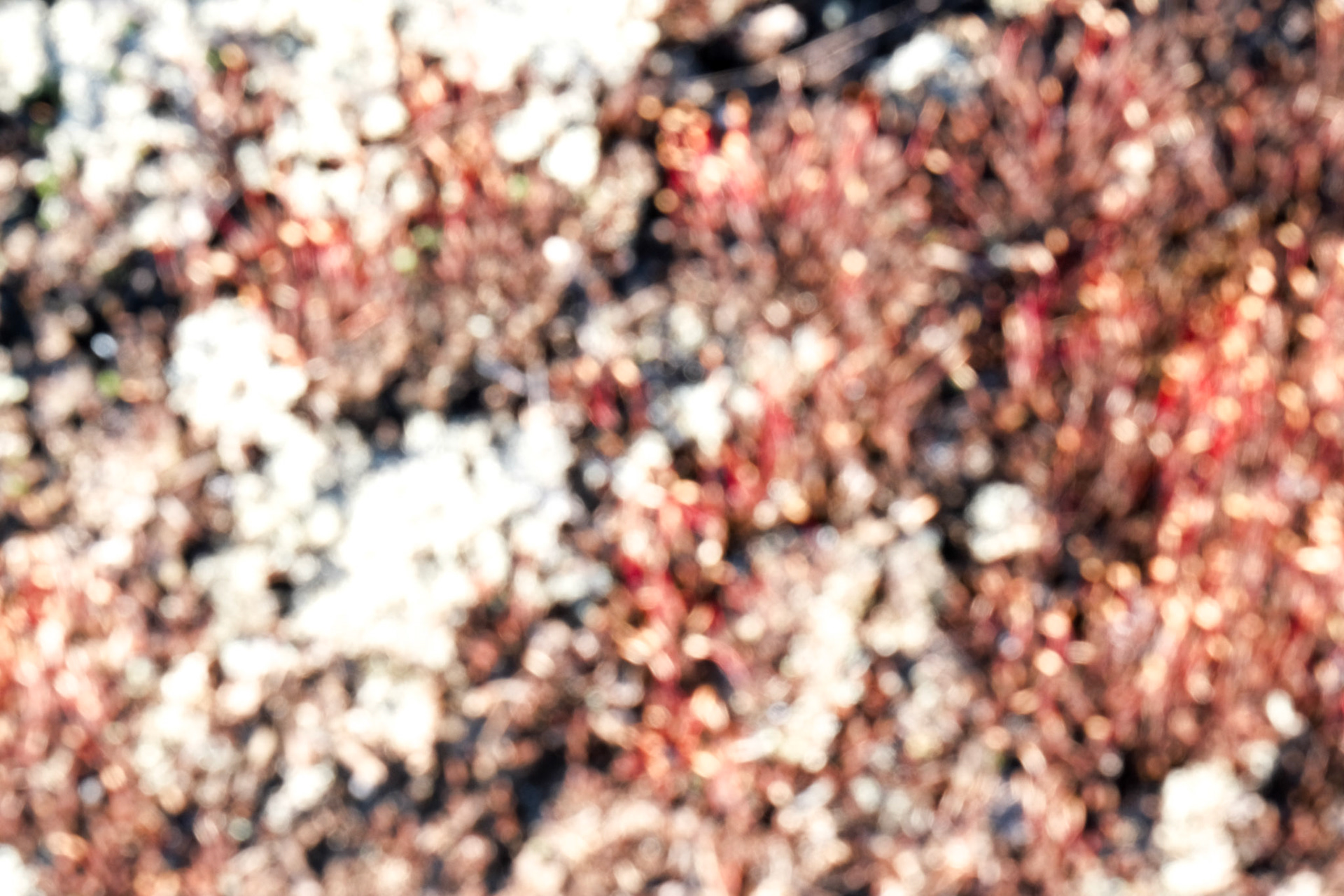
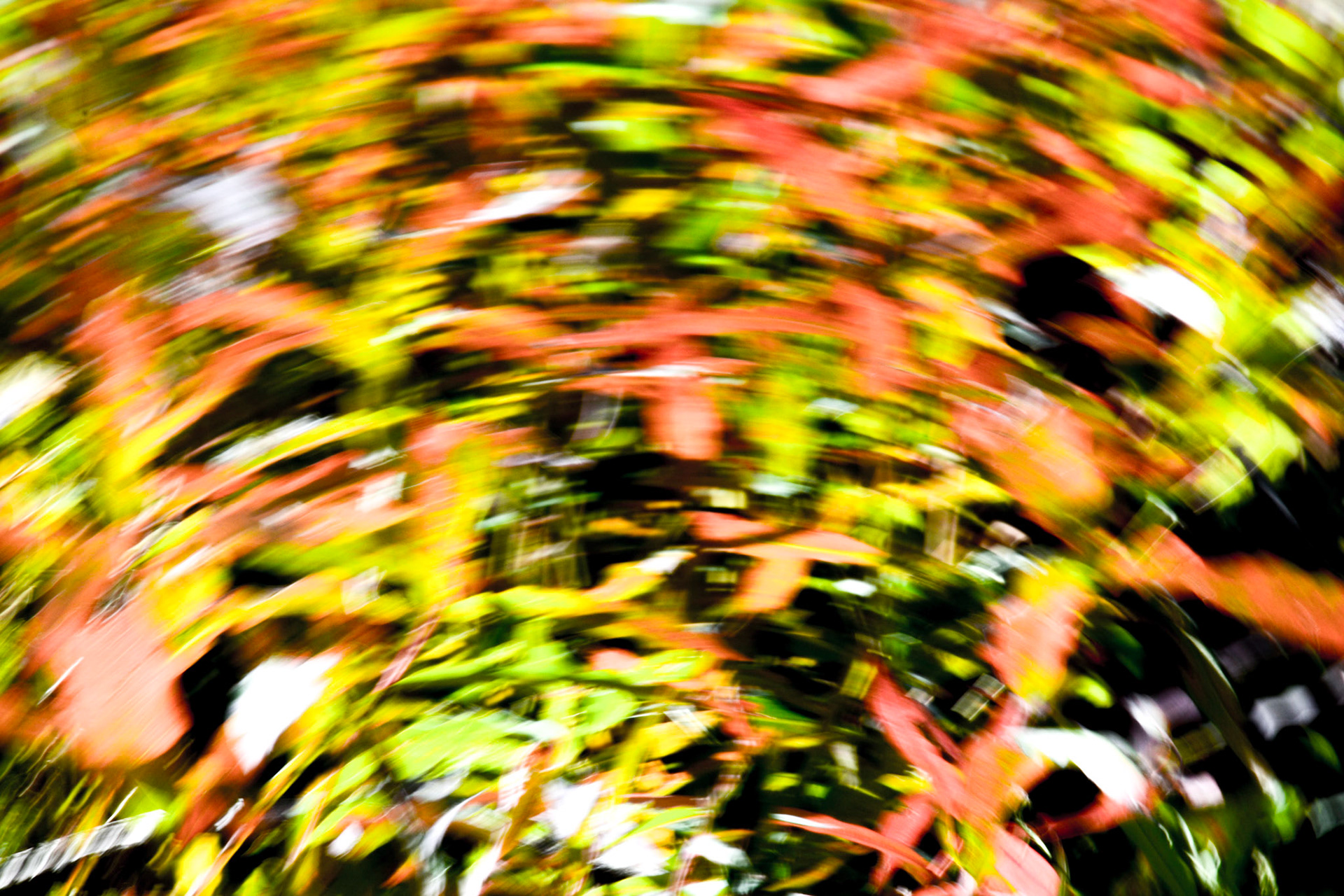
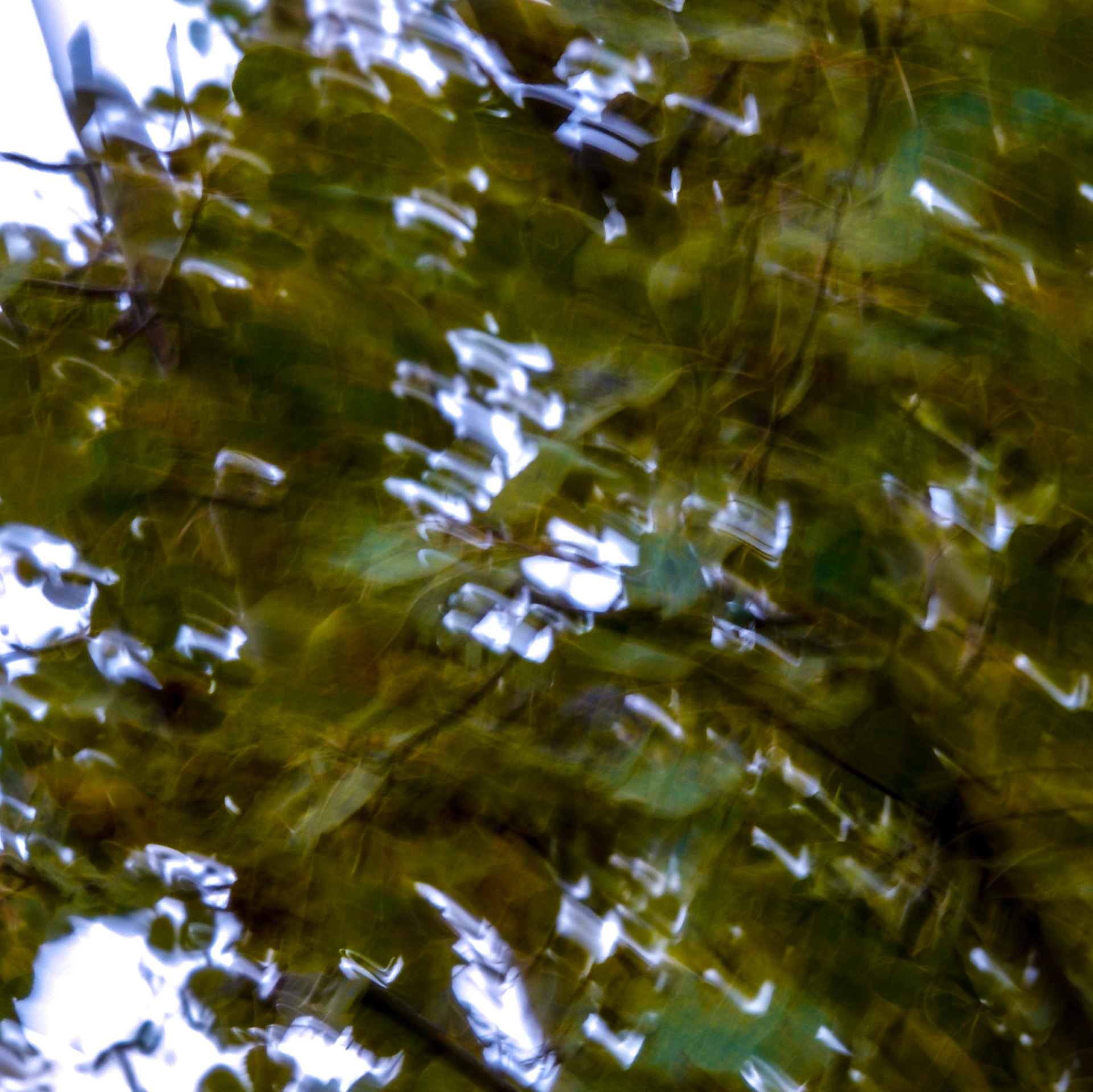
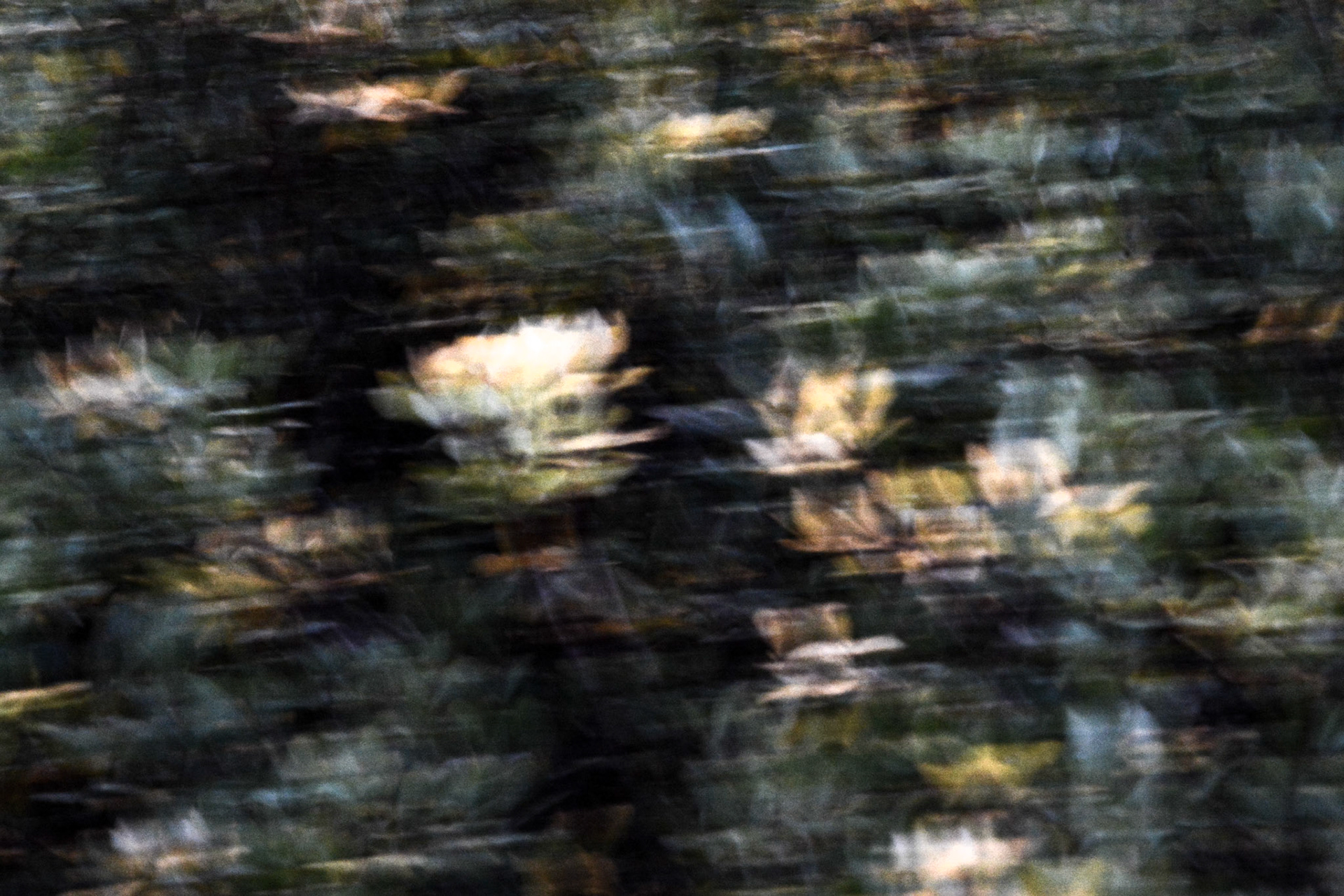
Motion-blurred acidbrush. This is the last image captured by Dr. Locke before respirator failure.
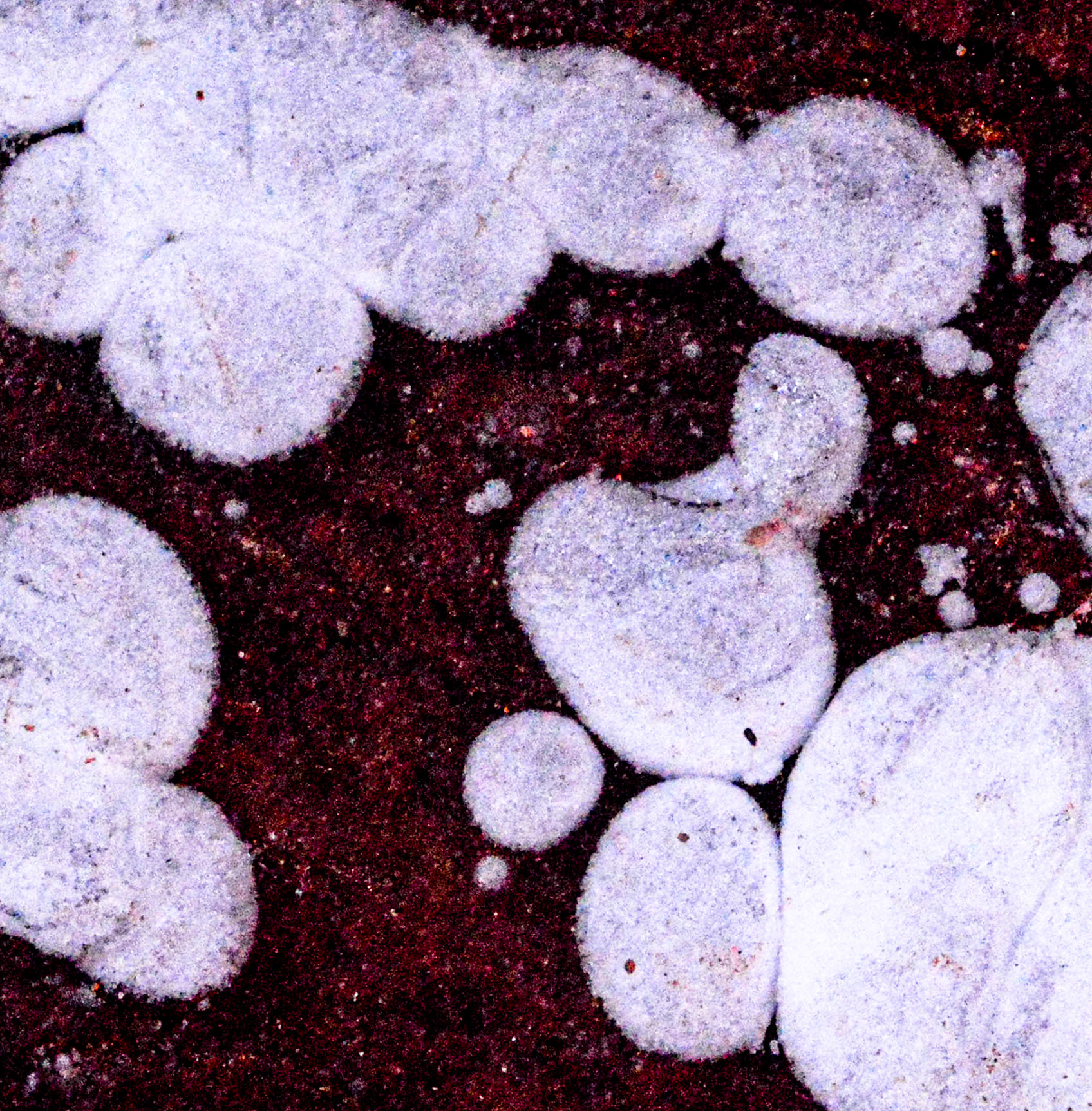
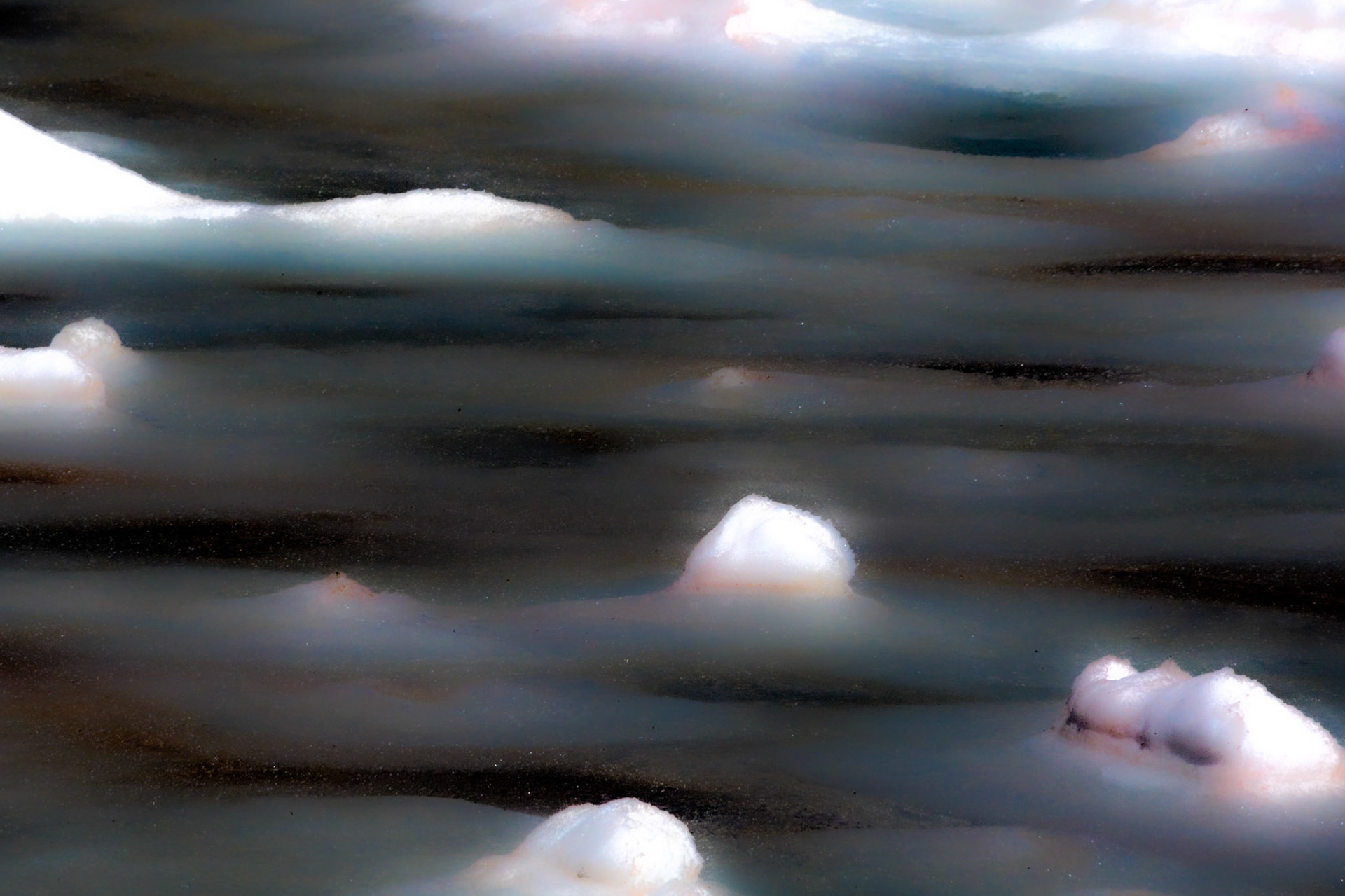
Calcium deposits on the surface of arctic sulfur pool.
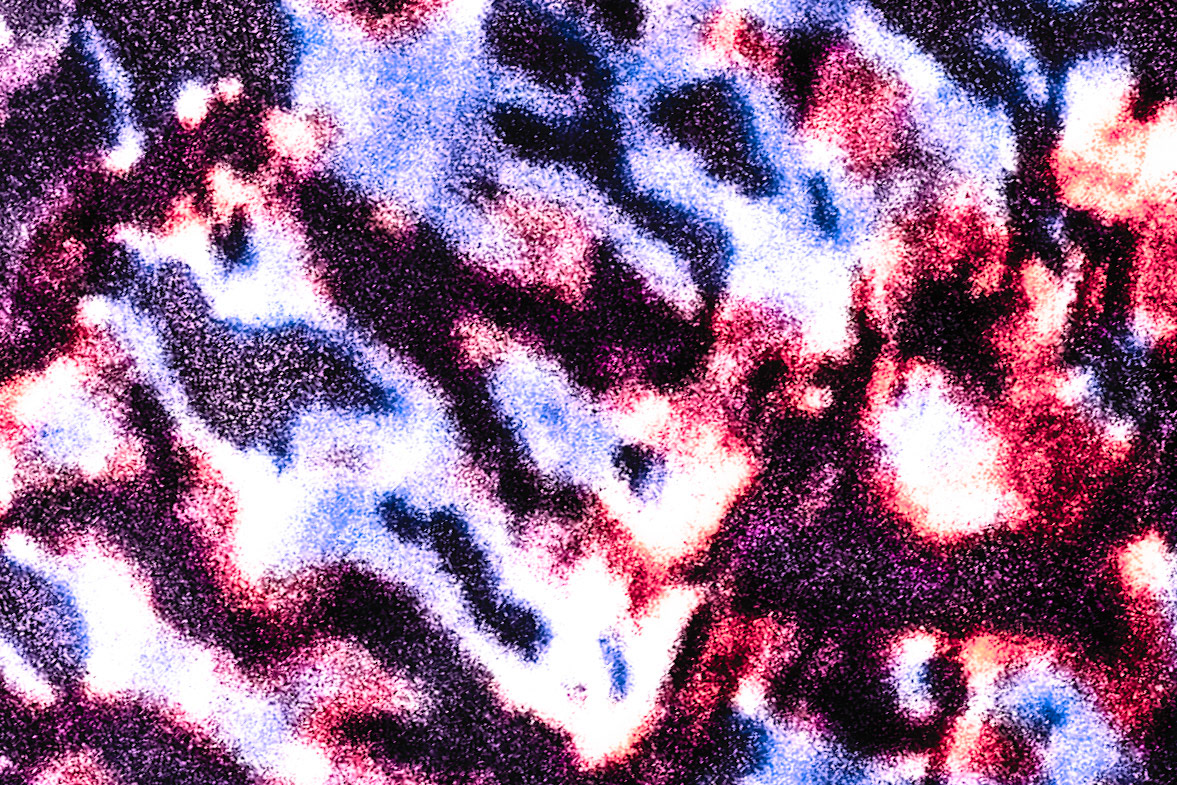
Microscopic imaging of primordial-pool sample.
Thermal imaging of "Dragon's Back" supporting Dr. Kasparov's hypothesis of subsurface magma channels.
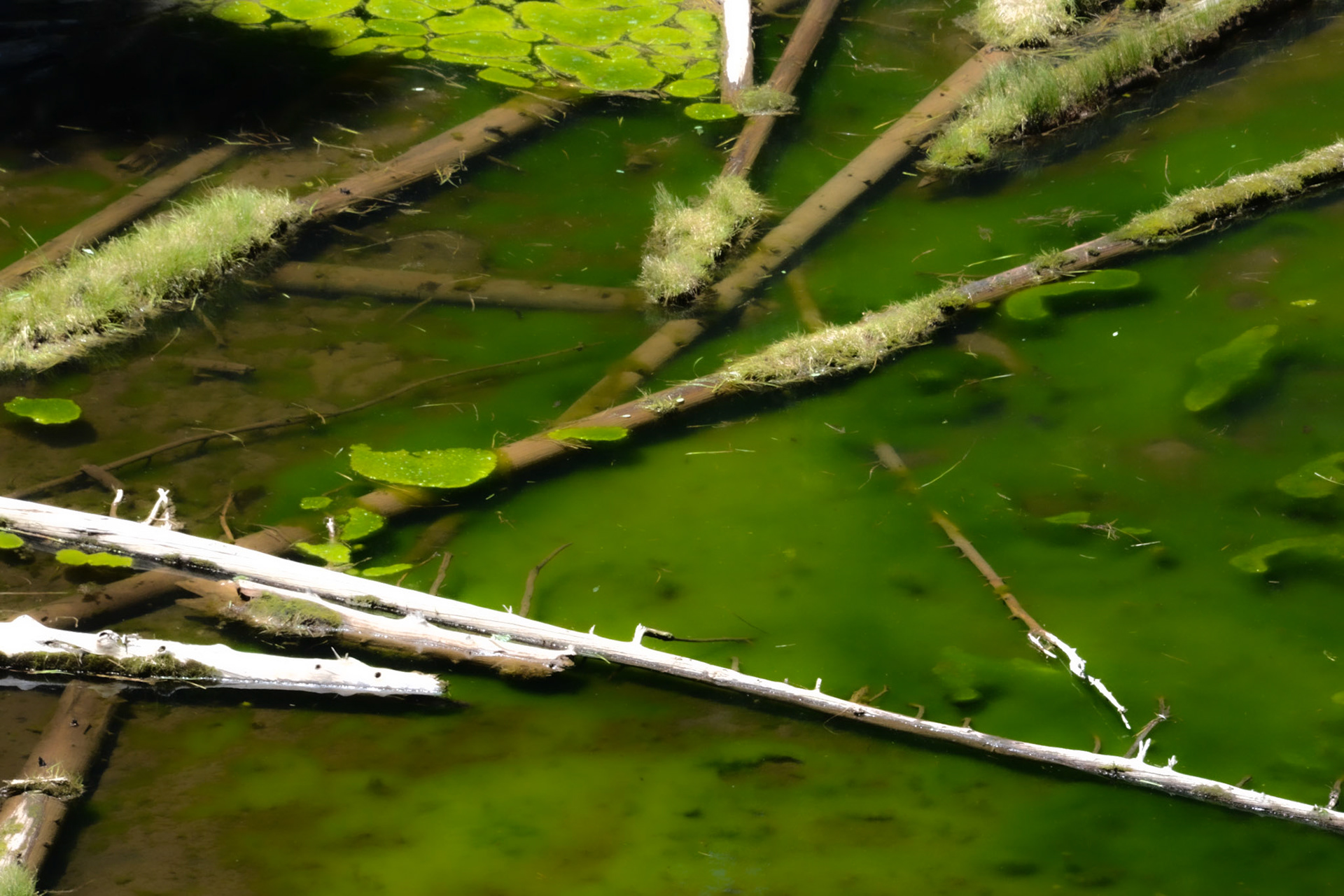
Dr. Brighton's infamous primordial pools - their distinctive green signature being one of the earliest signs of Spes 6's habitability.
Accidental long exposure during "Dragon's Back" topographical assessment (Orno 3).
Yellow sprites in bloom. Image blur can be attributed to warm gases emitted during anthesis.
Aerial view of the "Dragon's Back" taken by Orno 1 prior to relocation.
Thermal imaging of Mons Draconis from basecamp the night before our second approach.
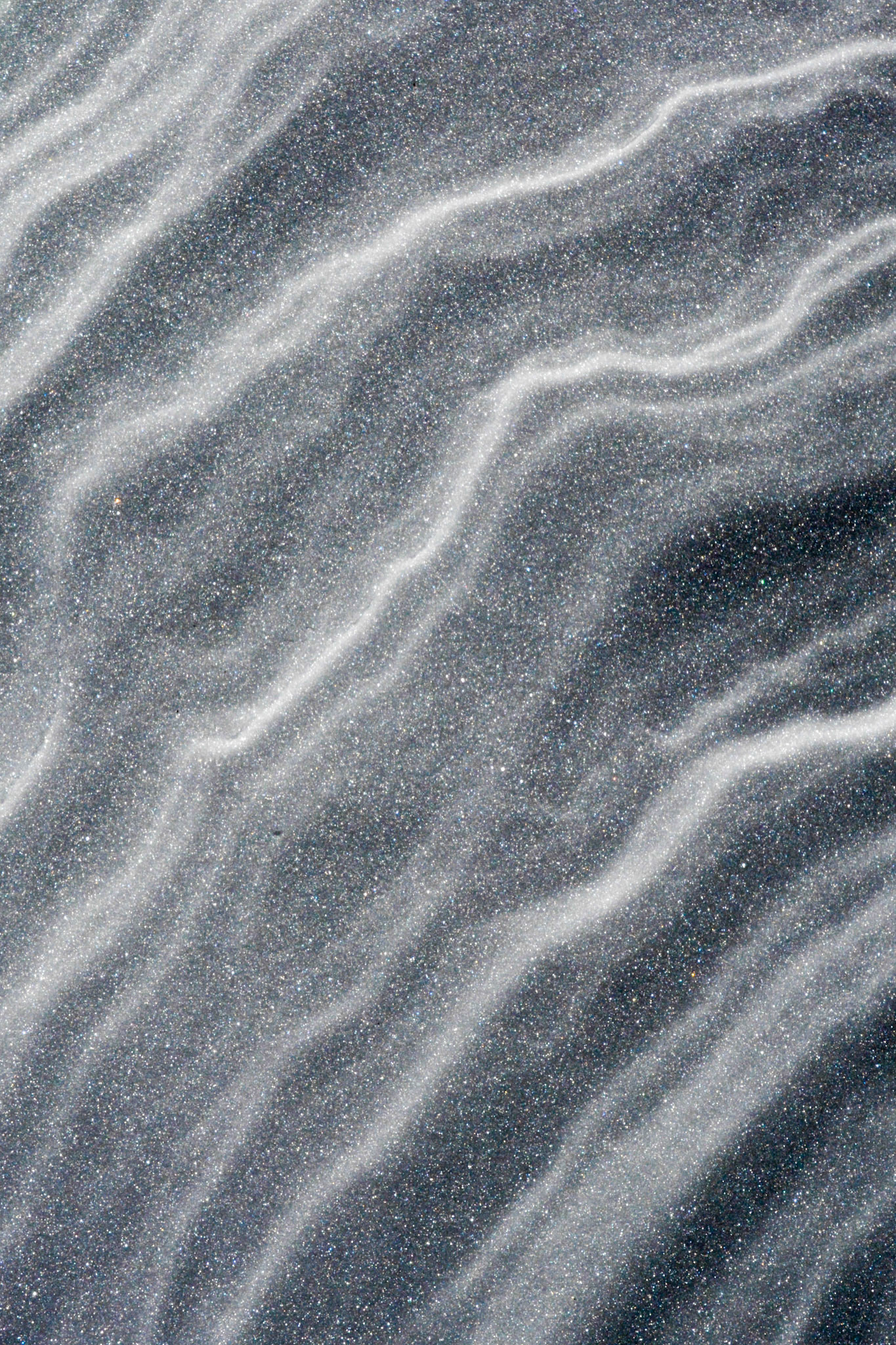
Aerial view of substantial platinum dust storm on Circutor (Orno 2).